

⚡ Quick Answer
Balance style and comfort by fixing function first, then decorating around it. Start with a supportive bed, clear walking paths, useful storage, and soft lighting. Next, choose a tight color palette, add texture, and keep decor limited. Every stylish choice should make the room calmer or nicer to use.
5 steps for a stylish and comfortable bedroom
- 1Make the bed and sleep comfort your first priority.
- 2Keep clear paths around essential furniture.
- 3Build one calm and connected color palette.
- 4Layer lighting for daily tasks and relaxation.
- 5Add only decor that earns its space.
Bedroom balance mistakes to avoid
- ✓Don’t buy looks before checking comfort.
- ✓Don’t fill every wall and surface.
- ✓Don’t rely on one harsh ceiling light.
Soft bedding feels inviting when you slide into bed. Warm light can make the same room feel calmer.
Still, a beautiful bedroom can fail when daily use feels awkward. I’m James Fox, and I favor function before decoration.
A good bedroom supports sleep, movement, storage, and personal taste. Style then gives those practical choices a clear visual direction.
📌 Key Takeaways
- →Comfort comes first. Start with the bed, layout, temperature, and light.
- →Style needs limits. A small palette keeps mixed textures and decor connected.
- →Lighting needs layers. Ambient and task lighting create both function and mood.
- →Less decor works. Clear surfaces often feel calmer and more finished.
How Do You Balance Style and Comfort in a Bedroom?
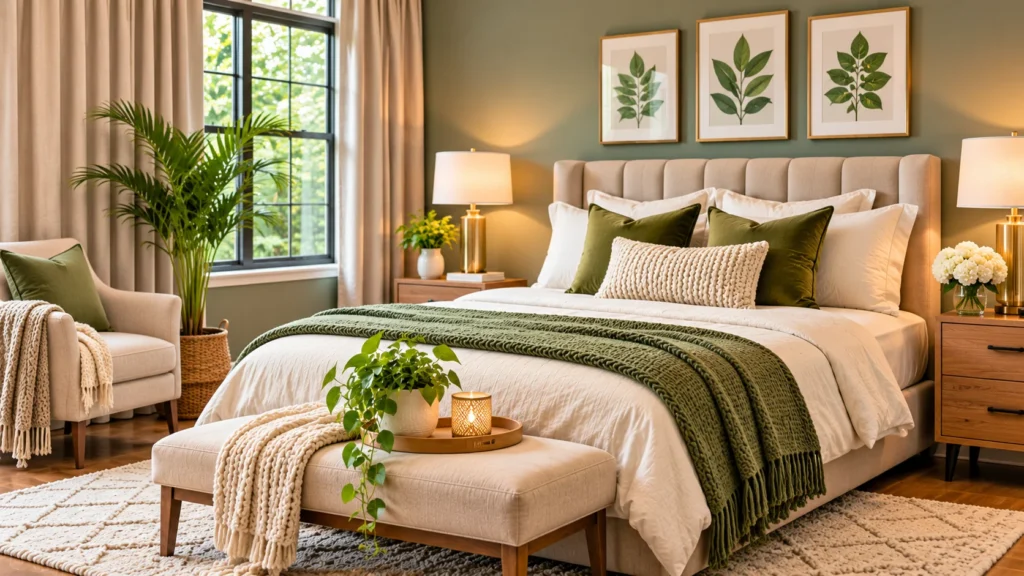
Start by treating comfort as the room’s foundation. Your bed should support restful sleep. Paths should stay easy to walk. Storage should handle everyday items. Lighting should support both tasks and rest.
Then build style around those fixed needs. Repeat colors, shapes, and materials across the room. This creates order without reducing comfort.
Sleep Foundation also stresses comfort, darkness, quiet, and temperature. Its bedroom guidance connects practical design with better sleep conditions.
Here’s why that matters. A stylish chair fails when it blocks a walkway. A striking lamp fails when its light feels harsh.
The strongest choices solve both needs at once. An upholstered headboard adds softness and visual weight. Attractive curtains can also reduce unwanted light.
✅ SIMPLE DESIGN TEST
Ask two questions before adding anything. Does it improve the room’s use? Does it support the look you want? Keep it when both answers are yes.
Once function and style share the same goal, color becomes much easier.
What Should You Prioritize Before Buying Bedroom Decor?
Prioritize the things your body uses every day. Start with the mattress, pillows, bedding, airflow, and room temperature. Next, check the walking space around your bed. Then solve storage and lighting.
Decor comes after those needs work well. This order stops attractive purchases from creating daily problems. It also protects your budget.
A National Sleep Foundation survey found comfort mattered strongly to many respondents. Mattress comfort ranked important for 93% of surveyed adults.
So what does that mean? Spend comfort money where your body touches the room. Use lower-cost changes for visual updates.
Paint, pillow covers, art, and throws can change style fast. They don’t require replacing core furniture.
Before shopping, measure the bed wall and walking areas. Record your storage gaps too. Those numbers will narrow your choices fast.
With the practical base settled, you can build a polished color scheme.
How Do Color and Texture Create Style Without Hurting Comfort?
Use color for visual unity and texture for warmth. Pick one main neutral or soft tone first. Add one supporting shade and one accent. Repeat those colors across bedding, curtains, rugs, and art.
Then mix 2 or 3 clear textures. Cotton, linen, wood, wool, and woven fibers work well together. They add depth without needing extra objects.
Color preference remains personal. Sleep Foundation notes that relaxing bedroom colors often include softer, calming choices. Blue and green also carry positive calming links.
But here’s the thing. Color alone won’t make an uncomfortable room relaxing. A beautiful palette can’t fix scratchy sheets or poor airflow.
How many colors should a bedroom use?
Three main color roles create an easy starting point. Use one dominant color, one support color, and one accent.
You can still use light and dark versions of each shade. That keeps the bedroom varied without looking disconnected.
How many textures should you mix?
Start with three noticeable textures across the room. Place them on the bed, floor, and windows.
This gives the room depth without adding piles of decor. Next, lighting will make those textures look richer.
What Lighting Makes a Bedroom Stylish and Restful?
A balanced bedroom needs more than one light source. Use ambient light for general visibility. Add task light beside the bed or dressing area. Then use a softer accent light for evening mood.
This layered setup changes with your routine. Bright general light helps with dressing. Softer bedside light prepares the space for rest.
Light also affects the body’s internal sleep clock. Sleep Foundation recommends reducing bright evening light and keeping bedrooms dark for sleep.
Oxford Health gives similar guidance about bedroom light and sleep. It recommends a calm space with controlled light and sound.
Place bedside lamps where their glow reaches your book. Avoid direct glare near your eyes.
Here’s the visual benefit. Layered light creates shadows, depth, and softer texture. Those effects make simple rooms look more finished.
Once lighting works, furniture placement becomes the next comfort test.
How Should You Arrange Bedroom Furniture for Comfort and Flow?
Arrange the bed first because it controls most bedroom movement. Keep the main path from the door clear. Avoid squeezing large furniture into narrow passages. Keep storage doors easy to open.
Next, place furniture according to daily use. Put a nightstand within easy reach. Keep dressing storage near the area where you change.
A comfortable layout also reduces small daily frustrations. Sleep Foundation recommends creating frustration-free movement and clear paths around the room.
You might own beautiful furniture that simply feels too large. Scale matters more than the price or style.
Use fewer pieces when your room feels crowded. A smaller nightstand can outperform a wider decorative cabinet.
🎯 Which Layout Choice Fits Your Bedroom?
Small room
Floor space disappears fast.
→ Choose fewer and smaller pieces.
Storage problem
Loose items keep reaching surfaces.
→ Choose closed or hidden storage.
Large room
The layout feels empty or scattered.
→ Create one clear sleeping zone.
A clean layout also gives your decor room to breathe.
How Do You Make a Bedroom Cozy Without Creating Clutter?
Build coziness with surfaces and materials instead of many small objects. Start with bedding, curtains, a rug, and warm light. These elements fill large visual areas without filling tables or shelves.
Then add a few personal objects. Choose art, photographs, books, or keepsakes with clear meaning. Leave some empty space around them.
Clutter can also work against relaxation. Sleep Foundation notes that visual clutter can contribute to stress before bedtime.
So use storage for items without display value. Chargers, spare products, cables, and paperwork need easy homes.
Open surfaces don’t need to stay empty. They only need a clear purpose.
A nightstand works well with three useful items. Try a lamp, a book, and one personal object.
⚠️ CLUTTER WARNING
Don’t confuse coziness with object count. Texture and warm light create comfort with less visual noise.
That difference explains one of the biggest bedroom design mistakes.
What Most People Get Wrong About Bedroom Style and Comfort
The first mistake is treating style and comfort as opposites. They work together when each choice has two jobs. Soft curtains add texture while controlling light. A padded headboard adds style while supporting sitting.
The second mistake is copying a photo without checking daily needs. A showroom doesn’t show laundry, chargers, books, or nighttime movement.
The third mistake is buying decor before fixing the room’s biggest discomfort. New pillows won’t solve poor mattress support. Wall art won’t solve harsh bedside glare.
- Wrong belief: More decoration creates more warmth.
- Better approach: Use fewer items with stronger texture and personal value.
- Wrong belief: Matching everything creates a polished room.
- Better approach: Repeat colors while mixing materials and shapes.
- Wrong belief: Style should follow current trends.
- Better approach: Choose a look you enjoy living with every day.
Fix those three mistakes, and the room becomes easier to finish.
How Can You Finish a Bedroom That Feels Good and Looks Complete?
A balanced bedroom starts with comfort and ends with personal style. Keep the bed, layout, lighting, and storage easy to use.
Then repeat a small palette through useful and decorative pieces. Leave enough empty space for every choice to stand out.
Your room doesn’t need more things to feel finished. It needs stronger choices with clear purposes.
Right now, remove one bedroom item that adds clutter but serves no purpose.
Frequently Asked Questions
How can I make my bedroom look stylish yet comfortable?
Start with comfort, then repeat a clear visual theme. Choose supportive bedding and practical furniture first. Add matching colors, warm lighting, and 2 or 3 textures. Keep decorations limited. The room will feel polished because its practical and visual choices support each other.
What makes a bedroom comfortable and functional?
A comfortable bedroom supports sleep and simple daily movement. It needs a supportive bed, useful storage, controlled light, and clear walking paths. Temperature and noise also affect comfort. Furniture should fit the room without blocking doors, drawers, windows, or common routes.
What colors are best for a relaxing bedroom?
Choose colors that feel calm to you. Soft blues, greens, warm neutrals, and gentle earth tones work well. Keep the main palette limited and repeat it across key surfaces. Avoid making every object a new color. A connected palette creates a calmer visual rhythm.
How do I make a small bedroom cozy without adding clutter?
Use soft materials instead of many decorative objects. Add comfortable bedding, curtains, one rug, and warm bedside lighting. Choose closed storage for small items. Keep most surfaces partly clear. Larger useful pieces create warmth without consuming the limited space with visual noise.
How important is lighting in bedroom decor?
Lighting affects both function and atmosphere. Use general lighting for dressing and cleaning. Add task lighting beside the bed. Use softer light during the evening. Good lighting also reveals texture, creates depth, and makes simple furniture look more intentional without adding extra decoration.
How can I make my bedroom look better on a small budget?
Start by removing clutter and rearranging existing furniture. Then change one large visual surface. Bedding, curtains, or paint can shift the whole room. Add a warm lamp and one textured layer. These changes create more impact than buying many small decorative pieces.
Should bedroom furniture match?
Bedroom furniture doesn’t need exact matching finishes. It needs clear visual links. Repeat one wood tone, color, shape, or metal finish across several pieces. This approach gives the room character while keeping it connected. Matching every piece can make the space feel flat or showroom-like.